Feed the Streets RVA is a nonprofit organization that provides food and other essentials to the Richmond community. With eight members on the executive board, it was started by a close group of friends who all shared a passion for giving back.
Established in 2005 as The Richmond Defender, The Virginia Defender is a free community newspaper, published quarterly for the Virginia Defenders for Freedom, Justice & Equality. Print distribution is currently 12,000 and statewide. The online publication launched in Summer 2020.
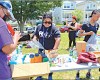
Feed the Streets RVA is a nonprofit organization that provides food and other essentials to the Richmond community. With eight members on the executive board, it was started by a close group of friends who all shared a passion for giving back.
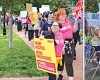
On the evening of May 2, a draft opinion written by U.S. Supreme Court Justice Samuel Alito and leaked to the public suggested that the court would overturn Roe v. Wade. Alito wrote, “Roe was egregiously wrong from the start.” The next day, rallies erupted across the country.
RRFP, the Richmond Reproductive Freedom Project, has been funding abortions in Virginia for almost 20 years. In addition to helping people finance their abortions by paying clinics directly, RRFP provides “practical support,” such as rides to appointments and funds for childcare.
After more than 20 years, the Richmond city government has finally committed to memorializing Shockoe Bottom, the downtown district that once was the epicenter of the U.S. domestic slave trade. Many outstanding questions remain the current plan, however. Here are some of ours.
The Summer 2022 edition of News U Can Use has info about a free nurse hotline where you can get health advice, the new number for the National Suicide Prevention Hotline, and the new standard IRS Mileage rate for tax deductions.
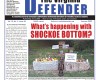
After more than 20 years of confrontational struggle between the community and Richmond’s city government and business elite, many people are asking what’s happening with Shockoe Bottom, the long-neglected downtown district that once was the epicenter of the U.S. domestic slave trade.
Closed in 1879, the Shockoe Hill African Burying Ground may have been the largest 19th century municipal cemetery for free and enslaved Black people in the U.S. Now, it’s finally getting some recognition.